
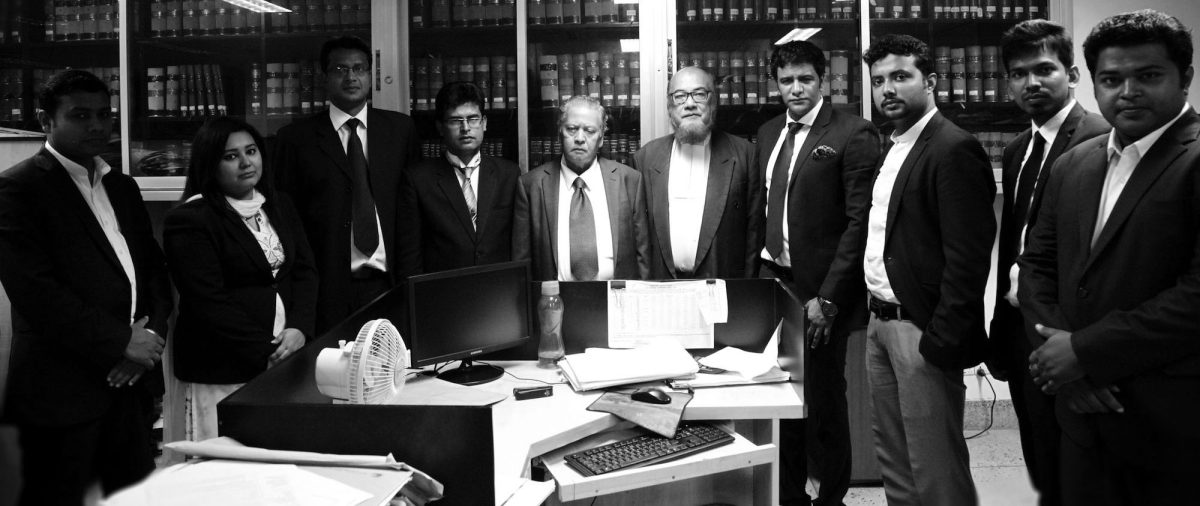
A Supreme Court lawyer in Bangladesh practices before the nation’s highest court, handling appeals, constitutional issues, and major disputes. The field includes top advocates like AM Masum. These lawyers earn varying incomes based on skill and success. To join their ranks, one must pass the Bar Council exams, train under seniors, and qualify for the High Court. Their work protects rights, shapes laws, and ensures justice, so if you need expert representation, hire a licensed Supreme Court advocate today.
A Supreme Court lawyer in Bangladesh is pivotal in this process. They handle intricate legal matters, from constitutional issues to civil and criminal appeals. Their expertise ensures that justice is served.
What is a Supreme Court Lawyer in Bangladesh?
A Supreme Court lawyer in Bangladesh is an advocate who is licensed to practice law before the Supreme Court of Bangladesh, which is the nation’s highest court. These lawyers are authorized to represent clients in all matters before the court’s Appellate and High Court Divisions. To become a Supreme Court advocate, one must pass a series of examinations set by the Bangladesh Bar Council.
Becoming a Supreme Court lawyer requires dedication and experience. Aspiring lawyers must pass rigorous exams and gain practical experience. This journey is challenging but rewarding.
Understanding the legal system involves more than just knowing the laws. It requires insight into the nuances of legal practice. This guide aims to illuminate the path for those seeking legal representation or aspiring to join this esteemed profession.
Understanding the Supreme Court of Bangladesh
The Supreme Court of Bangladesh comprises two divisions. These are the Appellate Division and the High Court Division. Each plays a vital role in the judicial process.
The Appellate Division is primarily responsible for hearing appeals against judgments. These judgments often come from the High Court Division. It also handles constitutional matters of national significance.
The High Court Division addresses broader issues, including writ petitions. It deals with issues affecting citizens’ rights and the constitution. This division acts as a guardian of the Constitution and citizens’ liberties.
Key functions of the Supreme Court include:
- Interpreting the Constitution
- Reviewing and overturning lower court decisions
- Safeguarding citizens’ rights
The importance of the Supreme Court in Bangladesh cannot be overstated. It serves as a cornerstone in maintaining the rule of law. Understanding its structure helps in appreciating its impact on society.
To understand how the law firm in Bangladesh operates within this structure, explore our insights on leading legal chambers and their roles in the justice system.
The Role of a Supreme Court Lawyer in Bangladesh
A Supreme Court lawyer in Bangladesh holds an esteemed position. They tackle intricate legal issues that impact the nation’s legal landscape. Their role demands deep legal knowledge and analytical skills.
Supreme Court lawyers handle high-stakes cases. These include constitutional challenges and substantial civil appeals. Additionally, they argue criminal cases of significant public interest.
The responsibilities of a Supreme Court lawyer include:
- Interpreting and applying the law accurately
- Advising clients on complex legal matters
- Representing clients in the highest court
These attorneys play a key role in the justice system. They ensure laws are correctly interpreted and upheld. By doing so, they protect the legal rights of the populace.
In summary, Supreme Court lawyers are crucial in shaping the legal framework. Their expertise contributes to maintaining the rule of law. This makes them integral to Bangladesh’s legal system. For a broader context on how civil & criminal lawyers in Bangladesh contribute to appellate cases before the Supreme Court, visit our dedicated practice overview.
How to Become a Supreme Court Lawyer in Bangladesh
Becoming a Supreme Court lawyer in Bangladesh requires dedication and persistence. The journey starts with obtaining a law degree from a recognized university. A solid academic foundation is essential for future success in legal practice.
After completing the degree, aspiring lawyers must enroll with the Bangladesh Bar Council. They need to pass the Bar Council exam to gain eligibility to practice. This exam tests knowledge of various legal principles and ensures readiness for the legal profession.
Practical experience is critical on this path. New lawyers typically work under seasoned attorneys to learn the ropes. Gaining expertise in lower courts builds essential skills and confidence.
The path to the Supreme Court involves continuous learning and networking. Successful lawyers often follow these steps:
- Pursue mentorship from established Supreme Court attorneys
- Attend legal seminars and workshops for skill enhancement
- Build a professional network within legal circles
In conclusion, becoming a Supreme Court lawyer requires a blend of education, experience, and ongoing development. It is a challenging yet rewarding career choice for dedicated individuals.
Supreme Court Lawyer charges
Understanding lawyer charges is vital for those seeking legal services. Supreme Court lawyer fees in Bangladesh vary widely. The complexity of the case significantly impacts the cost.
Lawyers with more experience generally charge higher fees. Expertise in the field often commands a premium rate. However, this can assure clients of quality representation.
Clients can expect costs to be outlined during initial consultations. Here are common factors influencing fees:
- Complexity and type of legal case
- Lawyer’s experience and reputation
- Duration and potential challenges of the case
Transparent fee discussions are standard practice. Clients should feel informed and prepared to budget accordingly. This helps maintain trust and clear communication between the lawyer and the client.
Leading Supreme Court Law Firms and Attorneys
In Bangladesh, certain law firms are renowned for their expertise in Supreme Court cases. These firms offer specialized services and have a strong track record. Notable among them is Supreme Law Chambers, known for handling complex cases.
Choosing the right attorney or law firm is crucial for success. Experienced lawyers provide valuable insights and strategic advice. They can navigate intricate legal issues with finesse and precision.
Below are key attributes of leading Supreme Court law firms:
- Proven success in major legal cases
- Strong reputation and client testimonials
- Diverse expertise across different legal areas
These firms and attorneys help clients navigate the legal landscape with confidence. Their expertise is instrumental in achieving favorable outcomes, ensuring justice and clarity in complex matters. Many top advocates collaborate with our corporate lawyers in Bangladesh to handle major constitutional and business-related disputes effectively.
Key Challenges and Opportunities in Supreme Court Practice
Practicing in the Supreme Court of Bangladesh presents unique challenges. Lawyers must deal with intricate legal matters, often involving constitutional issues. Mastery of both statutory and case laws is essential for success.
Despite these challenges, opportunities abound for skilled attorneys. Supreme Court practice allows for engagement in landmark cases. Successful outcomes can significantly elevate a lawyer’s career and reputation.
Key factors influencing Supreme Court practice include:
- Complex legal frameworks require deep expertise
- High stakes in cases involving public interest
- Opportunities for advocacy in constitutional matters
These challenges and opportunities make Supreme Court practice both demanding and rewarding. Lawyers dedicated to this path can make significant legal impacts while advancing their careers.
Who are the Top Supreme Court Lawyers in Bangladesh?
The top Supreme Court lawyers in Bangladesh include A.M. Masum (senior advocate with over 25 years’ experience), Mr.Syed Mokaddas Ali (Advocate, Bangladesh Supreme Court, Formerly, Asst. Attorney General, Bangladesh, Years in Legal Practice: 45 Years), and Al-Haj Md. Mostafa (Advocate, Supreme Court of Bangladesh, Formerly, Ex-Vice President, Supreme Court Bar Association, Years in Legal Practice: 40 years.
Which Type of Lawyer is Best for Supreme Court Cases?
An appellate specialist (Supreme Court lawyer/advocate) with appellate experience, excellent legal writing, and persuasive oral-argument skills is best for Supreme Court cases; in Bangladesh prefer a licensed Supreme Court advocate enrolled through the Bar Council.
An appellate specialist focuses on legal issues, the trial record, written briefs, and oral argument before appellate and Supreme Court judges; these attributes, deep statutory and precedent knowledge, prior clerkships, and appellate wins make them optimal advocates for Supreme Court cases.
What is the Salary of a Top Supreme Court Lawyer in Bangladesh?
There is no fixed salary for a “top Supreme Court lawyer” in Bangladesh; earnings for such advocates before the Supreme Court of Bangladesh vary widely based on experience, case success, and reputation.
For context: legal-practice salary surveys list typical lawyer earnings in Dhaka around BDT 964,000-1,040,000 per year (≈ USD 10,000) for more senior private-practice advocates.
However, this is a rough benchmark: truly “top” Supreme Court lawyers may earn much more via case fees, retainers and success bonuses, while many others earn significantly less.
How to Become a Supreme Court Lawyer in Bangladesh?
To become a Supreme Court lawyer in Bangladesh, earn an LLB, pass the Bangladesh Bar Council enrollment exams (MCQ, written, viva-voce), obtain a lower-court license, complete 6–12 months training under a senior advocate (10+ years), then seek High Court permission.
What are the Qualifications of a Supreme Court Lawyer?
Qualifications of a Supreme Court Lawyer are admission to the highest state or federal court for three years, good moral and professional character, no adverse disciplinary action, a good-standing certificate, two sponsors, oath, and payment to join the Supreme Court Bar.
You must already be admitted to practice in the highest court of a state, territory, or D.C. (or a federal court) for three years immediately before applying.
How Do Supreme Court Lawyers Impact Justice in Bangladesh?
Supreme Court lawyers impact justice in Bangladesh by representing disadvantaged individuals, upholding constitutional rights, ensuring legal aid, advocating policy change, and influencing legal precedent through public interest litigation (PIL) and judicial review.
They strengthen access to justice, promote equality before the law, and combat judicial corruption, though they also face challenges tied to professional conduct, institutional limitations, and resource constraints within the justice system.
What is the Role of the Chief Justice in Bangladesh?
The Chief Justice of Bangladesh is the head of the judiciary, leads the Supreme Court (Appellate Division), oversees subordinate courts, carries out judicial and administrative duties, and is appointed by the President under the Constitution.
Appointment and constitutional basis.
The President appoints the Chief Justice from among judges qualified for the Supreme Court; the post is a constitutional office and governed by the Constitution’s provisions on the judiciary.
What is the Second-Highest Court in Bangladesh?
The second-highest court in Bangladesh is the High Court Division of the Supreme Court of Bangladesh, which sits below the Appellate Division and hears constitutional matters, writ petitions, and appeals from lower courts.
The Supreme Court has two parts: the Appellate Division (top) and the High Court Division (second). The High Court Division exercises original and appellate jurisdiction and issues writs under the Constitution (e.g., certiorari, mandamus, habeas corpus).
How Can You Find a Qualified Supreme Court Lawyer in Bangladesh?
To find a qualified Supreme Court lawyer in Bangladesh, an individual should contact the Bangladesh Bar Council, consult online legal directories, or seek recommendations through professional and legal networks.
A person must research the lawyer’s experience, verify specialization in relevant areas of law, and check their registration and standing with the Bangladesh Bar Council before engagement. The Bangladesh Bar Council, as a Statutory Autonomous Body under the Law Division of the Ministry of Law, Justice and Parliamentary Affairs, oversees lawyer registration, ethical standards, and professional conduct.
What are the Key Considerations When Hiring a Supreme Court Lawyer?
When hiring a Supreme Court lawyer, key considerations are specialized experience, legal writing and oral advocacy skills, understanding of the Court’s procedures, cost, knowledge, expertise, personality, and use of a certified lawyer referral service.
Specialized experience. Hire lawyers with proven appellate and Supreme Court litigation backgrounds because the Court hears fewer than 100 cases yearly; specialists know how to frame issues for certiorari and merits. Look for prior SCOTUS briefs and argument experience.
Should You Consult with a Highly Paid Lawyer for Supreme Court Matters?
Yes, consult a highly paid lawyer for Supreme Court matters because the Court’s complexity requires specialized appellate expertise, proven experience, superior legal writing and oral advocacy, and the cost-benefit trade-offs justify that consultation.
The complexity of Supreme Court matters is extreme: few cases are accepted, rules on certiorari, amicus practice, briefing limits, and oral argument timing are unique. You want counsel who knows those procedures cold and who thinks strategically under pressure.
Why is a Supreme Court Lawyer Essential for Complex Legal Cases?
A Supreme Court lawyer is essential for complex legal cases because they possess specialized expertise, strategic skills, and a deep understanding of constitutional issues. Their role involves analyzing complex legal precedents, identifying key legal questions, and crafting persuasive arguments before the highest court.
These lawyers interpret and apply existing case law to shape nationally significant outcomes, often setting precedents that redefine entire areas of law. Their strategic judgment, legal reasoning, and oral advocacy ensure that intricate constitutional arguments are presented with precision and authority.
Who was the First Female Justice in Bangladesh?
The First Female Justice in Bangladesh was Nazmun Ara Sultana, appointed a High Court judge in 2000 and sworn into the Appellate Division on February 23, 2011; she joined the judicial service in 1975 and retired in 2017.
Career and appointments. Nazmun Ara Sultana began as an advocate in 1972, entered judicial service as a munsif in 1975, became an Additional Judge of the High Court in May 2000, was confirmed in 2002, and elevated to the Appellate Division in 2011.
Significance and milestones. Her appointment made her the country’s first woman in the High Court and the first woman justice of the Appellate Division, breaking long-standing gender barriers and setting a precedent for women in Bangladesh’s judiciary.
Who was the First Chief Justice of Bangladesh?
The First Chief Justice of Bangladesh was Abu Sadat Mohammad Sayem, appointed December 16, 1972, who served as Chief Justice from 16 Dec 1972 to 5 Nov 1975.
Career and background. Sayem was a Bangladeshi jurist born in 1916, educated in law, and served long in the judiciary before becoming Chief Justice.
Appointment and tenure. He was formally appointed Chief Justice after Bangladesh’s 1972 judicial formation and led the Supreme Court through its early post-independence years.
Later roles. After political upheaval in 1975, Sayem briefly became President of Bangladesh and served as Chief Martial Law Administrator.
Significance and legacy. As the inaugural Chief Justice, Sayem helped set judicial practices for the new nation and remains a key figure in Bangladesh’s legal history.
Conclusion:
A Supreme Court lawyer in Bangladesh stands at the heart of justice, shaping the nation’s laws and protecting rights through skilled advocacy and constitutional expertise. If you ever face a major legal battle, reach out to a licensed Supreme Court advocate with proven courtroom experience. Take action, choose counsel who knows the system, fights with purpose, and ensures your voice is heard before the nation’s highest court.